
What is Lymphedema?
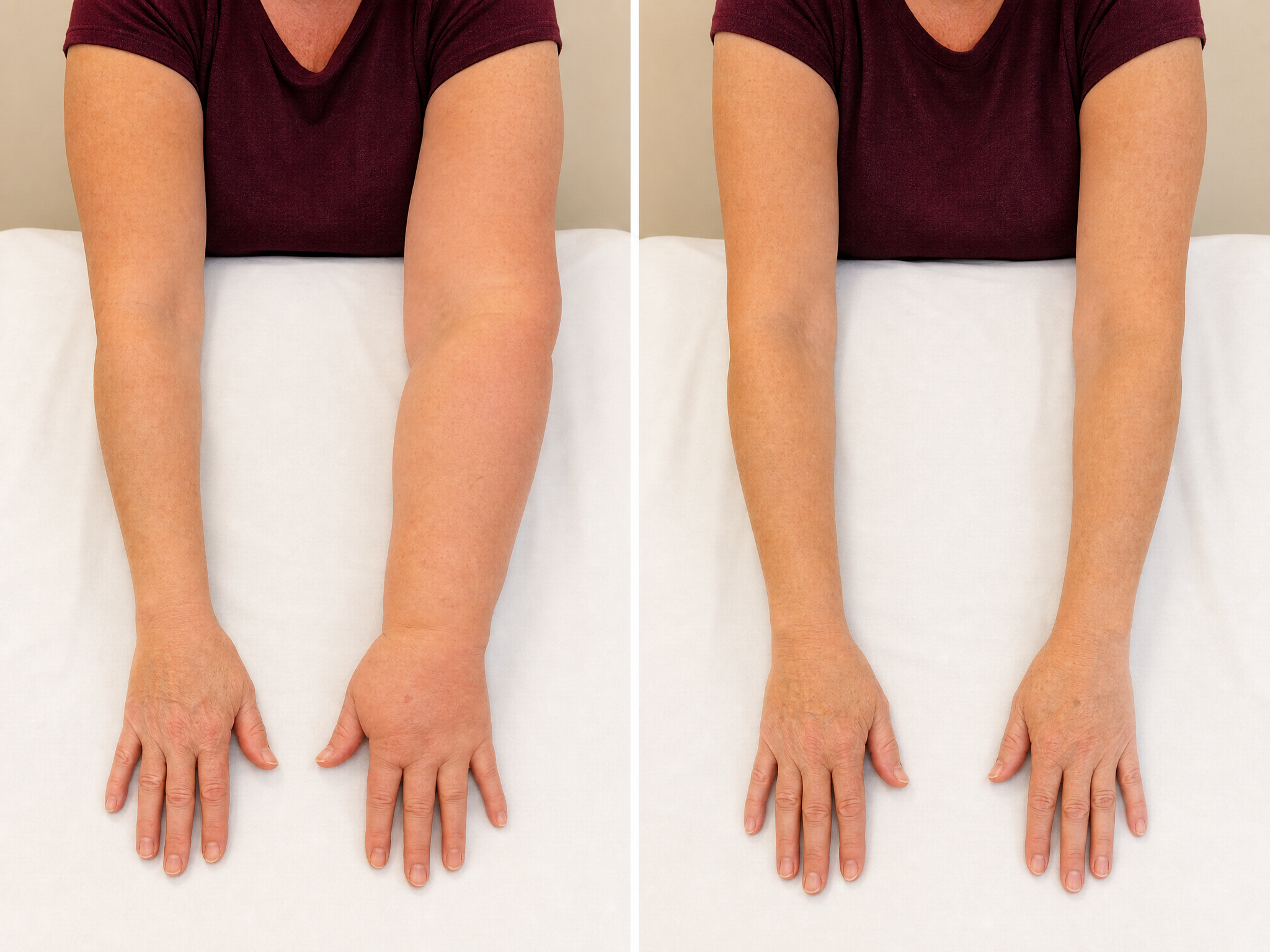
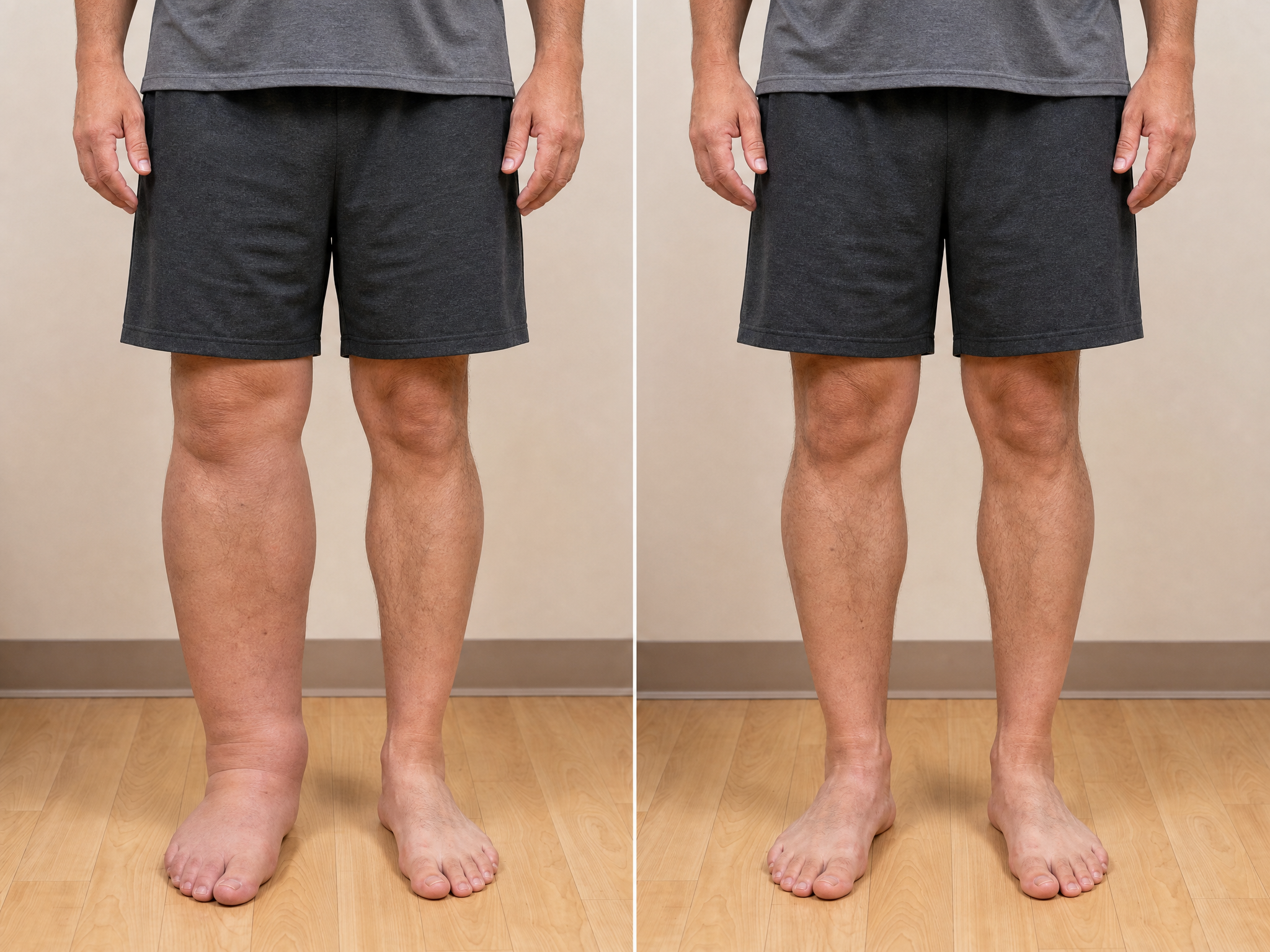
Lymphedema is a chronic condition characterized by the accumulation of protein-rich fluid in the body's tissues, resulting in swelling most commonly affecting the arms or legs.
It occurs when the lymphatic system — a critical component of the body's immune and circulatory systems — is damaged, blocked, or not functioning properly.
How Does the Lymphatic System Work?
Your lymphatic system plays a vital role in maintaining fluid balance and supporting immune function. It collects excess fluid, proteins, and toxins from your tissues and transports them back into the bloodstream. When this system is disrupted, fluid builds up in the surrounding tissues, causing swelling, discomfort, and a range of other symptoms.
Types of Lymphedema
There are two types of lymphedema:
- Primary Lymphedema — caused by a congenital abnormality in the lymphatic system, meaning it develops on its own without an external cause.
- Secondary Lymphedema — the most common form, resulting from damage to the lymphatic system due to surgery, cancer treatment, infection, injury, or radiation therapy. It is particularly common in individuals who have undergone lymph node removal as part of breast cancer treatment.
Common Symptoms
- Swelling in the arm, leg, fingers, or toes
- A feeling of heaviness or tightness in the affected limb
- Restricted range of motion
- Recurring skin infections
- Hardening or thickening of the skin over time
- Aching or discomfort in the affected area
Treatment & Management
While there is currently no cure for lymphedema, with proper treatment and self-management, symptoms can be effectively controlled. The gold standard of care is Complete Decongestive Therapy (CDT), which includes:
- Manual Lymph Drainage (MLD) — a specialized, gentle massage technique that stimulates lymph flow
- Compression bandaging and garments — to reduce and maintain swelling
- Therapeutic exercise — to encourage lymphatic circulation
- Meticulous skin care — to prevent infection and skin breakdown
- Patient education — empowering you to manage your condition at home
Early diagnosis and specialized treatment are essential to preventing the progression of lymphedema and protecting your quality of life. At Lymphedema Specialty Clinic, our certified lymphedema therapists are dedicated to developing a personalized treatment plan tailored to your specific needs.
Request a Referral